


Srinagar: As Ramadhan unfolds in the heart of winter in Kashmir, the Valley’s food traditions come alive with warmth, comfort and deep cultural roots. The cold season calls for foods that not only honour the spiritual rhythm of fasting but also help the body stay nourished, energised and warm throughout chilly days and evenings. From traditional breads to hearty stews, saffron-infused teas to seasonal delights, Kashmiri cuisine offers a rich tapestry of tastes that are perfect for Sehri and Iftar alike.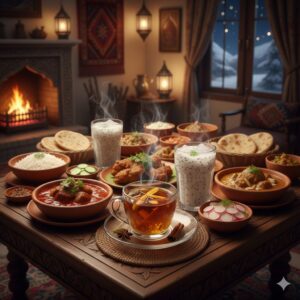
Winter Wisdom in Food Choices
In the frosty months in Kashmir, fresh vegetables can be scarce and the diet naturally leans towards rich, warming meals and preserved ingredients. Locals have long relied on sun-dried vegetables, smoked fish and slow-cooked meat dishes to sustain them through the harsh winter. These foods provide essential nutrients, energy and heat ideal for the demands of Ramadhan fasting.
Dates and Fruits: Natural Energy for Iftar
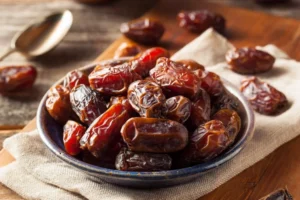
A simple fruit, yet filled with blessings, tradition and spiritual sweetness in Ramadhan.
As with fasting traditions around the world, breaking the fast with dates remains important in Kashmir. Dates provide quick-absorbing natural sugars to gently raise blood glucose after long hours without food. Pair them with fresh fruits like apples or citrus when available to add vitamins and hydration to your first bite at Iftar.
Traditional Kashmiri Breads and Roat
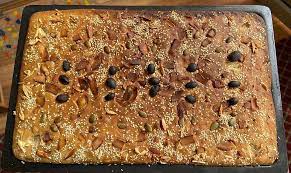
The local breads of the Valley are soul-satisfying companions in every meal. Lavasa or girda round, soft flatbreads traditionally baked in clay ovens pair beautifully with rich curries and stews.

Sheermal or shirmaal roat is a subtly sweet, saffron-tinged bread that can be a comforting part of Sehri or a treat after Iftar. These breads provide complex carbohydrates to sustain energy during long fasting hours.
Wazwan and Winter Heartiness
Kashmir’s famed Wazwan is a ceremonial feast that brings together multiple dishes celebrating the Valley’s culinary heritage. Many of these dishes — Rogan Josh, Daniwal Korma, Tabak Maaz and others are deeply warming, rich in flavour and rooted in tradition. While a full Wazwan feast may be a special occasion meal, enjoying small portions of these dishes during Ramadhan can be both nourishing and culturally resonant.
Hearty Winter Staples Perfect for Sehri
For Sehri, when sustained energy is essential for the day ahead, consider traditional winter staples:
Harissa: A thick, slow-cooked blend of mutton and rice that provides lasting calories and warmth.
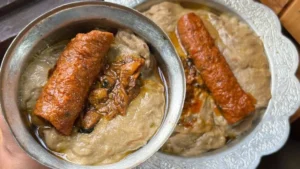
Slow-cooked overnight, rich in flavour, tradition and warmth.
Yakhni: A gentle, yoghurt-based broth with meat that offers hydration and protein.
Dal and Rice with Seasonal Greens: Dals paired with haak (collard greens) or other preserved winter greens deliver fibre, protein and micronutrients.
These foods provide stability for blood sugar and energy release, helping fasters feel stronger throughout the fasting day.
Cooling yet Nourishing Beverages
While Kashmir’s winter weather demands warmth, some Ramadhan Iftar drinks still play an important role in rehydration without being heavy or sugary:
Saffron Kehwa: A signature Kashmiri green tea with saffron, cardamom and cinnamon. Beyond flavour, saffron has antioxidant properties and the warm drink boosts circulation and digestion.
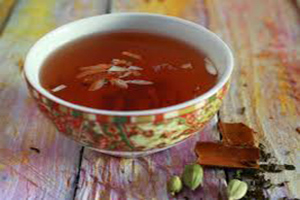
A fragrant blend of kahwa, saffron, and love in every sip.
Basil Seed Drink (Babribyol) and Katira: Traditional refreshing Ramadhan beverages, often served chilled, that help restore fluids gently without excess sugar.
Avoid carbonated or highly sweetened drinks, as these can spike blood sugar and leave you thirsty later.
Traditional Desserts with a Healthy Twist
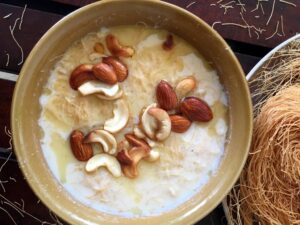
Creamy, comforting and filled with tradition in every spoonful.
Sweets like pherni or swiyaan are beloved Ramadhan favourites. Pherni, a creamy rice pudding flavoured with cardamom and saffron, and swiyaan, vermicelli cooked with milk and nuts, bring comfort and tradition to the table. To keep them healthier, choose lower sugar or serve smaller portions alongside fruit and nuts.
Salads and Seasonal Additions
Even in winter, Kashmiri meals often include pickles (aanchar) made from preserved seasonal vegetables, adding tanginess and fibre. Light salads with cucumbers, carrots or radish can be easy on the stomach after Iftar.
Balancing Tradition and Health
Ramadhan in Kashmir is a celebration of culture, community and devotion. Embrace traditional foods that offer warmth, comfort and nutrition, but also balance them with fibre, hydration and moderate portions. Start Iftar with dates and fluids, enjoy the flavours of local breads and breads like roat or sheermal, and include soups or stews that nourish without overwhelming the digestive system.
From the soul-warming harissa and aromatic wazwan dishes to saffron kahwa and sweet pherni, the winter cuisine of Kashmir adds richness to the holy month while keeping health and heritage in harmony.


